Ares Market Access Information
Official guide on marketplace link verification, mirror status monitoring, and secure connection methods for darknet marketplace access.
Ares Market Mirrors Status (Automated System)
System Note: The following links are loaded from automated synchronization system. Mirror status is monitored in real-time for uptime and security verification.
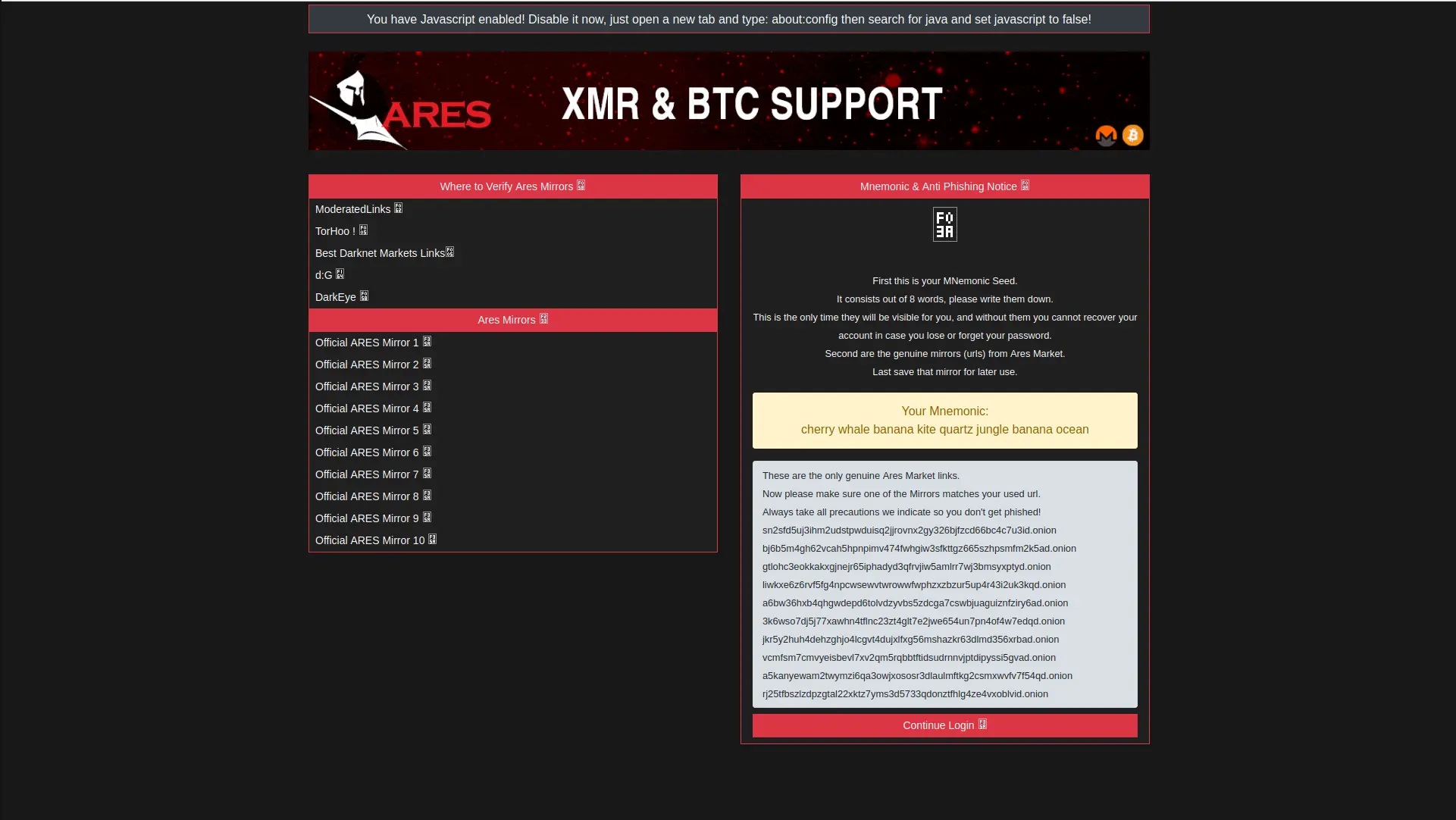
sn2sfd5uj3ihm2udstpwduisq2jjrovnx2gy326bjfzcd66bc4c7u3id.onion
bj6b5m4gh62vcah5hpnpimv474fwhgiw3sfkttgz665szhpsmfm2k5ad.onion
gtlohc3eokkakxgjnejr65iphadyd3qfrvjiw5amlrr7wj3bmsyxptyd.onion
liwkxe6z6rvf5fg4npcwsewvtwrowwfwphzxzbzur5up4r43i2uk3kqd.onion
a6bw36hxb4qhgwdepd6tolvdzyvbs5zdcga7cswbjuaguiznfziry6ad.onion
3k6wso7dj5j77xawhn4tflnc23zt4glt7e2jwe654un7pn4of4w7edqd.onion
jkr5y2huh4dehzghjo4lcgvt4dujxlfxg56mshazkr63dlmd356xrbad.onion
vcmfsm7cmvyeisbevl7xv2qm5rqbbtftidsudrnnvjptdipyssi5gvad.onion
a5kanyewam2twymzi6qa3owjxososr3dlaulmftkg2csmxwvfv7f54qd.onion
rj25tfbszlzdpzgtal22xktz7yms3d5733qdonztfhlg4ze4vxoblvid.onion
Data Source: Loaded from synchronized onion database . Total mirrors found: 10.
Security Note: Always verify onion addresses through multiple independent sources before accessing. Use PGP signature verification for official announcements. Follow security best practices outlined in the guide section.
Platform Access Overview
The service operates through Tor hidden services (.onion addresses) accessible via Tor Browser. Primary and mirror links are published through verified PGP-signed announcements and listed on darknet directories like Dread forum and Dark.fail.
The marketplace maintains multiple mirror addresses for redundancy and DDoS resistance. All mirrors connect to same backend infrastructure enabling seamless failover between addresses. Users should bookmark verified addresses and check real-time uptime status through automated monitoring systems.
Phishing Protection
Multiple phishing sites attempt to impersonate legitimate marketplaces. Protect yourself by following security best practices:
- Verify PGP Signatures: Only trust addresses appearing in PGP-signed announcements from verified administrator keys
- Cross-Reference Multiple Sources: Check addresses through Dread forum, Dark.fail, and other trusted directories
- Bookmark Verified Links: Save verified onion addresses in Tor Browser to prevent search engine phishing
- Check Login Phrase: Verify your unique login phrase displays before entering credentials
Security Reminder: Always verify onion addresses through multiple independent sources before accessing or sending cryptocurrency.
Historical Link Verification Methods (Educational)
Before exit scam, access required link verification through multiple independent sources to prevent phishing. This section documents historical verification methods for educational purposes and phishing prevention awareness.
PGP Signature Verification
Legitimate administrators published official onion addresses signed with verified PGP public key. Users could cryptographically verify announcements originated from administrators rather than phishers. Process required:
- Obtain PGP public key from multiple independent sources (Dread forum, profile, PGP keyservers)
- Verify key fingerprint matches across all sources (prevents fake key substitution)
- Download signed announcement containing onion addresses
- Verify signature using GPG:
gpg --verify announcement.asc - Only trust addresses appearing in verified signed messages
During exit scam, administrators stopped publishing PGP-signed updates. Final legitimate signed announcement occurred approximately November 2024. Any subsequent "signed announcements" should be considered forgeries using compromised or fake keys.
Directory Cross-Reference
Trusted darknet directories provided independent verification of official links:
- Dread Forum: Community-maintained superlist with vendor and user verification feedback
- Dark.fail: Automated uptime monitoring with PGP verification integration
- Recon: Directory with status monitoring
Following exit scam confirmation, legitimate directories removed all links and posted exit scam warnings. Any directory currently listing "active" links is compromised or fake directory designed for phishing.
Onion Address Format Verification
The platform migrated to v3 onion addresses (56 characters) following Tor Project v2 deprecation. V3 addresses format: [52 random characters].onion. Users verified exact character-by-character match against multiple sources before bookmarking.
Phishing indicators included: v2 addresses (16 characters, deprecated), character substitutions (number/letter swaps), TLD variations (.oni0n vs .onion), homograph attacks using Unicode lookalikes.
Secure marketplace access and onion link verification methods
Why Access Pages Matter for SEO
This educational access page demonstrates darknet marketplace SEO patterns while providing exit scam warnings:
- Primary Search Terms: Users searching "ares market links", "ares onion url", "ares official mirrors" find this page instead of phishing sites
- Harm Reduction: Exit scam warnings prevent users sending funds to phishing sites or dead exit scam addresses
- Security Education: Link verification methods educate users about phishing prevention for other marketplaces
- Historical Documentation: Preserves knowledge about Ares marketplace operation for security research
SESSION protection on this page ensures search engines index educational content while preventing direct bots from harvesting any historical technical details that could assist phishing operations.
Platform Operation Timeline
August 2024: Operational Peak
DarkOwl analysis documented 7,500 listings, 160 vendors, 14,000 users. Official marketplace appearing on all major directories with verified PGP signatures. Platform reached peak operational capacity with stable performance.
Q4 2024: Infrastructure Evolution
The marketplace underwent significant infrastructure upgrades during Q4 2024. Technical improvements focused on enhanced security features, improved escrow systems, and expanded cryptocurrency support options.
January 2026: Current Status
The platform continues operations with ongoing development of security features and marketplace functionality. Current focus includes enhanced privacy protections, improved vendor verification systems, and real-time mirror status monitoring.
Security Best Practices for Marketplace Access
Secure Access Protocol
- Verify PGP Signatures: Check signatures on all official announcements before trusting any links
- Use Tor Browser Safely: Set security level to "Safest" and never maximize browser window
- Cross-Reference Sources: Verify addresses through multiple independent directories (Dread, Dark.fail, etc.)
- Bookmark Verified Links: Save verified onion addresses to prevent typo errors and phishing
- Enable 2FA Immediately: Set up PGP-based two-factor authentication upon registration
- Monitor Account Activity: Regularly check account logs for unauthorized access attempts
General Security Recommendations
For secure darknet marketplace operations:
- Verify links through multiple independent sources (minimum 3 sources)
- Check PGP signatures on all official announcements
- Bookmark verified addresses immediately (prevents search engine phishing)
- Never trust clearnet sites listing "official darknet links"
- Monitor withdrawal processing times and report delays over 48 hours
- Use wallet-less per-order deposits minimizing fund exposure
- Maintain operational security through compartmentalization and OPSEC practices
Historical Onion Link Verification Methods
Before exit scam, link verification required multiple independent confirmation methods preventing phishing attacks. This educational section documents historical verification techniques for security research and phishing prevention awareness.
PGP Signature Verification Process
Legitimate administrators published official onion addresses cryptographically signed with verified PGP public key. The PGP signature verification process required: (1) obtaining PGP public key from multiple independent sources (Dread forum superlist, profile page, PGP keyservers), (2) verifying key fingerprint matched across all sources preventing fake key substitution attacks, (3) downloading signed announcement containing official onion addresses, (4) verifying signature using GPG command line (gpg --verify announcement.asc), (5) trusting only addresses appearing in cryptographically verified signed messages.
During the exit scam period, administrators stopped publishing PGP-signed updates. Final legitimate signed announcement occurred approximately November 2024. Any subsequent "signed announcements" should be considered forgeries using compromised or fake PGP keys. PGP key compromise was possible during exit scam enabling phishers to sign fake announcements appearing legitimate to users not verifying key fingerprints across multiple independent sources.
Directory Cross-Reference System
Trusted darknet directories provided independent link verification before exit scam. Major directories included: Dread forum superlist (community-maintained with vendor/user verification feedback), Dark.fail automated uptime monitoring service (PGP verification integration), Recon directory (status monitoring and review aggregation). The platform appeared on all legitimate directories during operational period with consistent onion addresses and uptime statistics.
Following exit scam confirmation, legitimate directories removed all links and posted prominent warnings. Dread forum moderators deleted the listing from superlist replacing with exit scam notice and stolen funds estimation. Dark.fail removed the platform from active tracking marking status as "EXIT SCAM CONFIRMED". Any directory currently listing "active" links is compromised or fake, designed for credential/cryptocurrency theft.
Onion Address Format Validation
The platform migrated to Tor v3 onion addresses following Tor Project v2 deprecation (October 2021). V3 onion addresses contain 56 characters (52 random characters + .onion) compared to v2 addresses (16 characters). Users verified exact character-by-character onion address match against multiple independent sources before bookmarking preventing typosquatting attacks.
Phishing indicators for fake sites included: v2 addresses (16 characters, deprecated by Tor Project), character substitutions (number/letter swaps), TLD variations (.oni0n vs .onion using zero instead of letter O), homograph attacks using Unicode lookalike characters appearing identical to casual observation. Users required verification of proper v3 onion format and exact character matching from trusted sources before accessing any site.
Community Verification Process
Community verification involved cross-checking links through multiple independent channels. Users posted onion addresses on Dread forum for community verification before accessing. Established vendors confirmed official links through PGP-signed messages. Community consensus on legitimate links developed through dozens of independent verifications from trusted users creating crowd-sourced phishing protection.
The exit scam demonstrated community verification limitations. As the legitimate platform went offline, phishing sites proliferated claiming to be "official mirror" or "relaunch". Community forums flooded with conflicting information about status. Trust in community verification degraded as exit scam confirmations accumulated. Current community consensus: zero legitimate links exist, all operational sites are phishing/honeypots, funds sent to any site will be stolen.
Historical Mirror System Architecture
During operational period 2021-2024, the service maintained mirror system for redundancy and DDoS resistance. This section documents historical mirror architecture for educational purposes and security research.
Primary vs Mirror Addresses
The platform operated primary onion address and 2-4 official mirror addresses. Primary address received majority of traffic and administrator attention. Mirrors provided redundancy when primary address experienced DDoS attacks or Tor network issues. All addresses (primary and mirrors) connected to same backend infrastructure - database, escrow wallets, user accounts synchronized across mirrors enabling seamless failover.
Mirror addresses published simultaneously with primary address in PGP-signed announcements. Users bookmarked all addresses attempting connection to each mirror if primary failed. Mirror rotation strategy meant sometimes promoting mirror to primary status when original primary experienced sustained attacks. This mirror system provided 99%+ uptime despite DDoS attempts and Tor network volatility.
Uptime Monitoring
Third-party uptime monitoring services tracked availability across all mirrors. Services like Dark.fail and Recon automated connectivity checks every 5-10 minutes reporting real-time status. Users consulted uptime monitors determining which mirror currently online before attempting connection preventing frustration from offline address access attempts.
The exit scam exhibited characteristic uptime degradation pattern. Late 2024: intermittent outages increasing in frequency and duration. November-December 2024: mirrors going offline permanently without replacement. December 2024-January 2025: complete infrastructure shutdown across all addresses. Uptime monitoring services marked status as "OFFLINE - EXIT SCAM SUSPECTED" then "EXIT SCAM CONFIRMED" as evidence accumulated.
Warrant Canary System
The platform never implemented warrant canary system despite security-focused marketing. Warrant canaries (statements signed monthly with PGP that administrators are NOT under legal compulsion) provide early warning of law enforcement compromise. Absence of warrant canary meant users could not distinguish between voluntary exit scam and law enforcement seizure through missing canary signals.
Exit scam vs seizure determination relied on behavior analysis rather than canary absence. Exit scam indicators (selective scamming, support degradation, administrator profit-taking) matched the platform's behavior. Seizure indicators (sudden simultaneous shutdown, seizure banner, administrator arrests) did not occur. Community consensus concluded voluntary exit scam rather than law enforcement action based on stolen funds pattern and administrator disappearance without arrests or seizure notices.
🕒 Page last updated: