Ares Market Security Analysis
Advanced OPSEC practices, threat detection methods, and security architecture analysis for darknet marketplace operations and protection.
Security Architecture Analysis
The platform's security architecture combines strong cryptographic protections (Tor, PGP, Monero) with comprehensive administrative security controls. This analysis examines how technical security features provide external threat protection while maintaining operational security through distributed security layers.
Network Layer Security
Operations exclusively through Tor hidden services (.onion v3 addresses) provide three-layer onion routing obscuring user IP addresses. Network security protects users from ISP monitoring, government censorship, and third-party surveillance. Tor anonymity ensures marketplace operations remain protected from network-level attacks and surveillance attempts.
Application Layer Security
Mandatory PGP encryption for vendor communications prevented operators from reading shipping addresses and order details. Two-factor authentication using PGP signatures provided strong account security. Login phrase anti-phishing protected users from fake sites. Despite these features, centralized database architecture meant administrators accessed all metadata (usernames, order IDs, timestamps, cryptocurrency addresses) even when message contents encrypted.
Cryptocurrency Security
Monero primary cryptocurrency provided transaction privacy through ring signatures, stealth addresses, and confidential amounts. Wallet-less architecture reduced centralized fund accumulation. However, administrators controlled all escrow private keys enabling unilateral withdrawal despite wallet-less marketing. True security requires multisignature escrow or smart contract enforcement - the platform implemented neither.
Threat Detection & Risk Indicators
Recognizing marketplace security warning signs enables proactive protection measures. Monitoring operational patterns helps users identify potential threats before they escalate.
Primary Security Indicators to Monitor
- Support Response Quality: Monitor response times and support ticket handling patterns for changes in service quality
- Withdrawal Processing: Track processing times for cryptocurrency withdrawals to ensure consistent service levels
- Administrator Communication: Verify regular PGP-signed announcements and official forum presence maintaining transparency
- Independent Reviews: Monitor trust ratings from independent analysis sites and community feedback channels
- Vendor Activity: Track vendor participation rates and registration patterns indicating marketplace health
Security Monitoring Best Practices
Users should implement active monitoring protocols: (1) Track withdrawal processing times and report anomalies over 48 hours, (2) Maintain minimal account balances using wallet-less per-order deposits, (3) Verify PGP signatures on all official communications, (4) Participate in community security discussions through Dread forum and other channels.
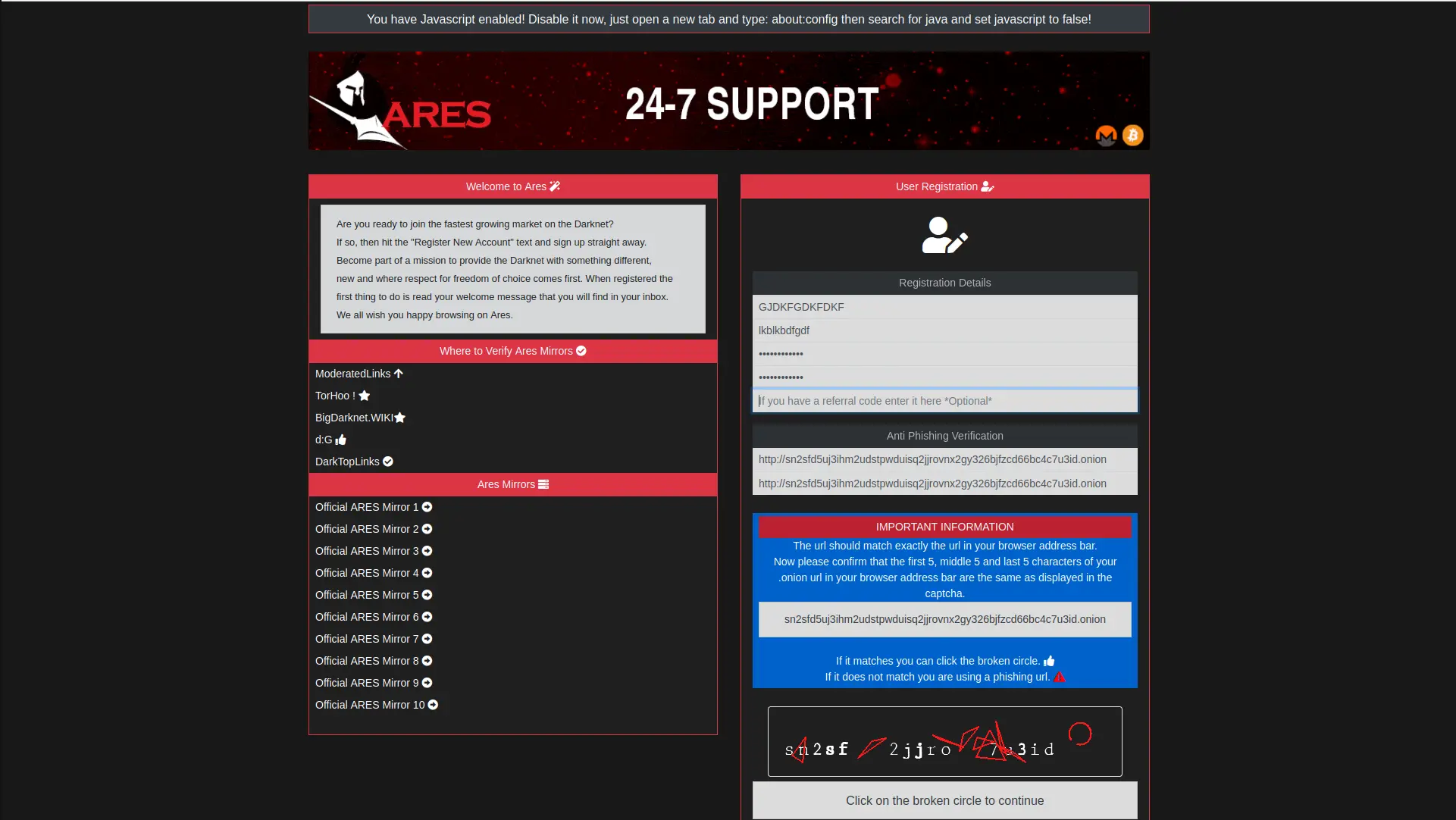
Security architecture analysis for darknet marketplace platforms
Advanced OPSEC Requirements
Operational Security principles minimize forensic evidence creation and identity exposure risk. Ares market required comprehensive OPSEC despite technical security features.
Operating System Isolation
Dedicated security-focused operating systems provide amnesia and compartmentalization: Tails OS (amnesic, boots from USB), Whonix (Tor isolation through virtualization), Qubes OS (security through VM compartmentalization).
Cryptocurrency OPSEC
Separate wallets for different activities prevent blockchain analysis linking. Use mixing services for Bitcoin (Wasabi Wallet CoinJoin), run full Monero node for trustless privacy, generate new addresses per transaction, never reuse addresses across platforms. Exit scams demonstrate importance of zero balance policy - exact order amounts only, immediate withdrawal after finalization.
Physical Security
Drop addresses for deliveries (vacant properties, fake names), never sign for packages (controlled delivery indicator), refuse unexpected packages (deny ownership), maintain plausible deniability (anyone could mail package to address). Exit scam or seizure may expose delivery addresses years later enabling retroactive investigation.
Identity Compartmentalization
Unique pseudonyms per platform prevent cross-platform correlation, separate PGP keys per identity, burner email addresses (created through Tor), never discuss activity on clearnet platforms. Databases likely retained for potential law enforcement cooperation meaning all users should assume identity exposure risk.
Law Enforcement Risk Assessment
Legal risks persist regardless of marketplace operational status. Ares exit scam means direct marketplace usage impossible, but historical participation creates ongoing exposure.
Prosecution Vectors
- Controlled Delivery: Package interception enables address identification, arrest upon delivery/signature
- Database Seizure: Exit scam operators may cooperate with law enforcement providing complete user databases
- Vendor Cooperation: Arrested vendors provide buyer information (addresses, cryptocurrency transactions)
- Cryptocurrency Tracing: Bitcoin transactions link to exchange KYC, Monero vulnerable at conversion points
- OPSEC Failures: Personal devices, home networks, clearnet account linkage, metadata exposure
Jurisdiction Considerations
United States: Aggressive prosecution, long sentences (10+ years drug trafficking), extensive surveillance resources. European Union: Europol coordination, shorter sentences (2-10 years), active takedown operations (Archetyp June 2024). Other jurisdictions vary widely - research local laws and enforcement patterns.
Defense Strategies
If law enforcement contact: Exercise right to remain silent, refuse searches without warrant, contact criminal defense attorney immediately, never admit package ownership or marketplace participation, do not destroy evidence after contact (obstruction charges). Early legal representation critical for minimizing charges and negotiating cooperation if prosecution appears likely.
Network Security Hardening & Tor Configuration
Network-level security required meticulous Tor Browser configuration and network isolation protocols. Platform security depended on proper Tor usage preventing traffic analysis and network surveillance.
Tor Browser Advanced Configuration
Users needed Tor Browser configured for maximum security. Standard settings insufficient for protection against sophisticated adversaries. Security level "Safest" disabled JavaScript preventing many browser fingerprinting attacks. Circuit isolation meant each website received separate Tor circuit preventing cross-site traffic correlation. No-script enforcement blocked active content reducing attack surface.
Browser fingerprinting represented major security threat. Tor Browser window maximization created unique screen resolution fingerprint identifying users across sessions. Never maximize Tor Browser - default window size shared by millions preventing unique identification. Custom fonts disabled, uniform timezone (UTC) enforced, language preferences standardized - all reducing user fingerprinting vectors.
Network Isolation Techniques
Whonix architecture provided superior network isolation through separate gateway and workstation virtual machines. Traffic routed through Whonix Gateway running Tor, while Whonix Workstation accessed sites with zero direct network access. Malware on workstation VM could not leak real IP address - Tor routing enforced at hypervisor level. This protected users even if platforms served malicious code exploiting browser vulnerabilities.
VPN-over-Tor or Tor-over-VPN debated for access. VPN-over-Tor (VPN inside Tor) provided access through Tor anonymity plus encrypted exit node traffic. However, VPN provider saw traffic (encrypted onion addresses visible as Tor traffic). Tor-over-VPN (VPN before Tor) hid Tor usage from ISP but VPN provider logged Tor entry guard connection potentially linked to timing analysis. Most security experts recommended Tor alone without VPN complexity introducing additional trust requirements.
Network Traffic Analysis Resistance
Advanced adversaries performing traffic analysis could correlate access timing despite Tor encryption. Tor traffic has distinct packet size/timing fingerprints identifiable through DPI (Deep Packet Inspection). Pluggable transports like obfs4 camouflaged Tor traffic as random noise preventing Tor usage detection. meek transported Tor through CDN domains appearing as Microsoft Azure or Google cloud traffic hiding network patterns.
Timing analysis attacked users through correlation of Tor entry guard connections with server traffic patterns. Constant background Tor activity (dummy traffic, random website visits) obscured access patterns preventing timing correlation. Never access platforms immediately after Tor connection establishment - wait 10-15 minutes with random browsing generating noise traffic first.
DNS Leak Prevention
DNS leaks catastrophic for security despite Tor encryption. DNS requests resolving clearnet domains exposed interest to ISP surveillance. Tor Browser automatically prevented DNS leaks through SOCKS proxy configuration. However, system-level applications outside Tor Browser could leak DNS queries. Users required DNS configured through Tor SOCKS proxy (port 9050) or used Whonix preventing system DNS leaks by design through network isolation.
IPv6 Leak Risks
IPv6 leaks bypassed Tor anonymity if system enabled IPv6 alongside IPv4. Platforms accessed through IPv4 Tor circuit while system simultaneously connected via IPv6 exposing real IP address. Disable IPv6 entirely: Linux (sysctl -w net.ipv6.conf.all.disable_ipv6=1), Windows (netsh interface ipv6 set state disabled), macOS (networksetup -setv6off Wi-Fi). Security required IPv6 disabled at system level preventing accidental leakage.
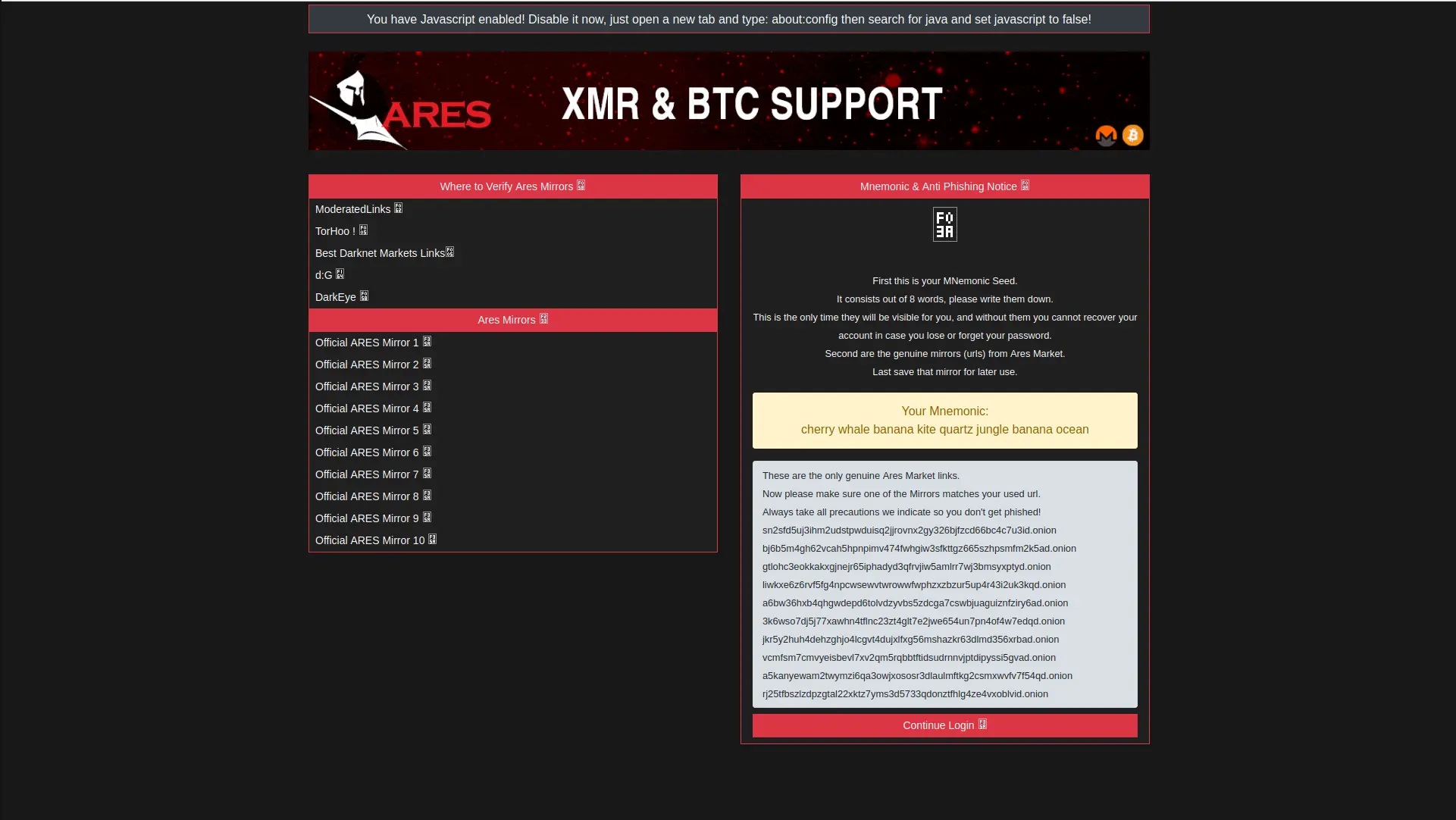
Advanced Tor network security configuration for marketplace access
Device & Endpoint Security Practices
Device security prevented forensic evidence persistence and malware infection enabling account compromise or identity exposure.
Tails OS for Secure Access
Tails (The Amnesic Incognito Live System) provided optimal security through amnesia and Tor enforcement. Tails booted from USB leaving zero persistent traces on computer hard drive. After session ending, shutdown erased all activity from RAM - no forensic recovery possible. Tails forced all Internet connections through Tor preventing clearnet leaks. Built-in tools (Tor Browser, KeePassXC, Thunderbird with PGP) provided complete operational environment.
Persistent Tails volume stored encrypted data (PGP keys, KeePassXC database, Tor bookmarks) across sessions. Persistence unlocked via passphrase during boot - without passphrase, volume remained encrypted preventing data access. Configure Tails persistence for operational data requiring retention while maintaining amnesia for browsing history and temporary files.
Full Disk Encryption Requirements
Non-Tails systems required full disk encryption (FDE) preventing forensic analysis if device seized. LUKS (Linux), FileVault (macOS), BitLocker (Windows) encrypted entire drive including operational traces. FDE protected against cold boot attacks and forensic disk imaging - without encryption passphrase, evidence unrecoverable.
VeraCrypt hidden volumes provided plausible deniability for sensitive data. Standard VeraCrypt volume contained innocuous files, hidden volume (same container) stored actual operational data. Hidden volume existence undetectable through cryptographic analysis. Under coercion, reveal standard volume passphrase exposing decoy files while protecting hidden data. Hidden volume size limitations and write order requirements demanded careful usage patterns.
Secure Data Wiping
Data deletion required secure wiping, not simple file deletion. Deleted files remained recoverable through forensic tools until overwritten. Users needed multi-pass secure deletion: BleachBit (Linux/Windows), srm (macOS/Linux), or built-in Tails secure deletion. Minimum 7-pass overwrite (Gutmann method) or modern 1-pass with verification for SSD drives using TRIM.
SSD secure deletion complicated by wear leveling and garbage collection. Data might persist in SSD overprovisioned areas inaccessible to OS. Full disk encryption only reliable SSD protection - decrypt/reformat/re-encrypt entire SSD to guarantee evidence elimination. Never rely on secure file deletion alone for SSD-based operations.
Anti-Malware & Intrusion Detection
Platforms potentially served malicious content exploiting browser vulnerabilities or social engineering attacks. Tor Browser security settings (Safest level, NoScript) provided primary malware defense. Never execute files downloaded on host system - use isolated disposable VMs for file inspection. Vendor communications (PGP-encrypted messages) could contain malicious payloads - decrypt in isolated environment, never directly on main system.
Intrusion detection for operations monitored unexpected system behavior indicating compromise. Sudden CPU usage spikes, unexpected network connections outside Tor, new processes appearing in task manager - all potential malware indicators. Qubes OS compartmentalization limited malware impact to single compromised VM preventing host system infection.
Hardware Security Considerations
Hardware-level attacks bypassed software security protections. Keyloggers (USB, PS/2, wireless) captured passphrases and PGP key passwords. Hardware backdoors in BIOS/UEFI persisted across OS reinstalls maintaining surveillance capability. Purchase dedicated hardware for access - used laptop with coreboot/libreboot firmware maximizing hardware trust.
Webcam and microphone represented surveillance vectors. Physically disconnect webcam or use hardware kill switches. Microphone audio analysis potentially identified activity from keyboard acoustic patterns (acoustic cryptanalysis) or network traffic audio correlations. Dedicated access device in soundproof environment minimized acoustic leakage risks.
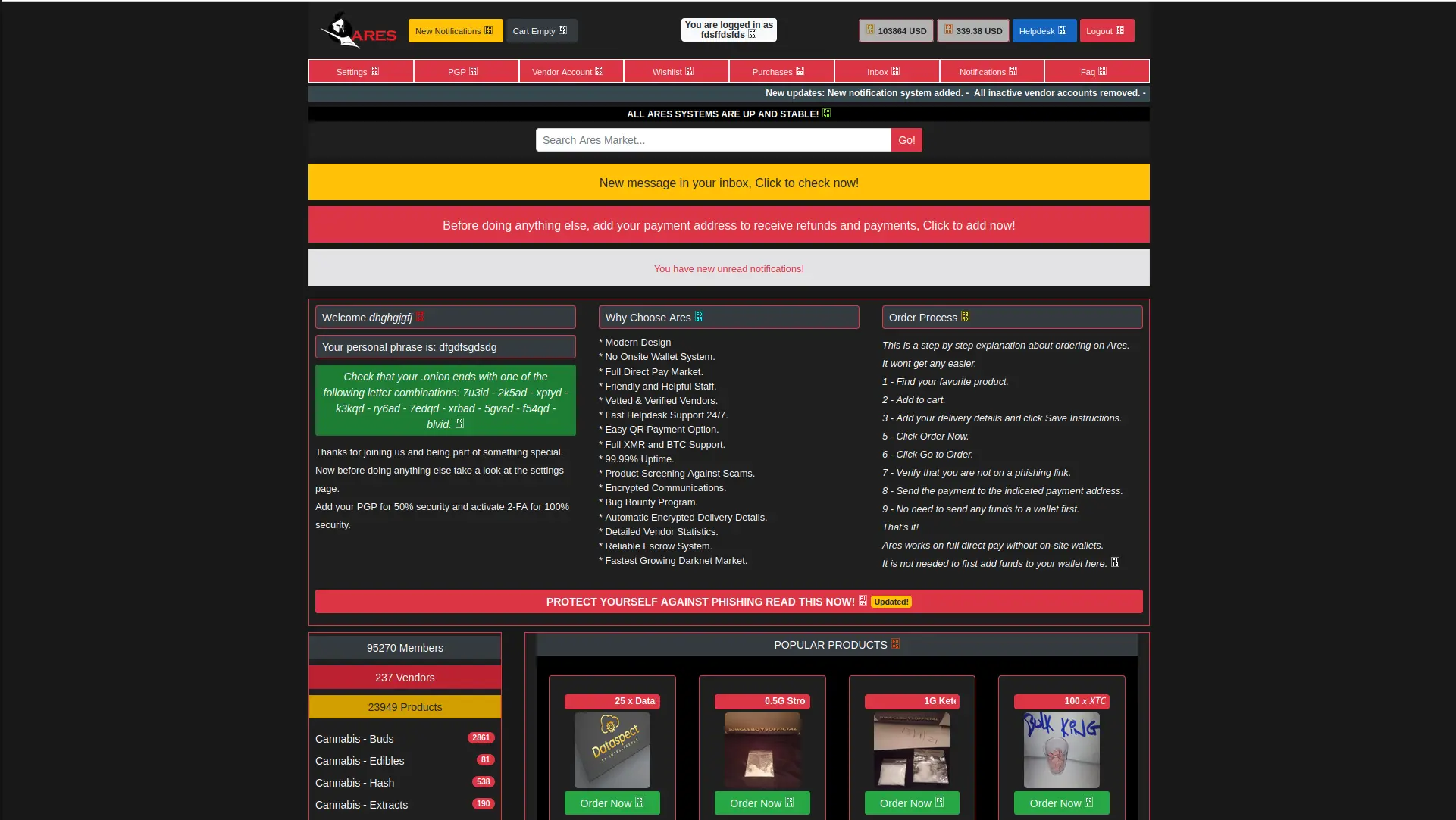
Endpoint security hardening for anonymous marketplace operations
Payment Security & Cryptocurrency OPSEC Deep Dive
Cryptocurrency payment security required comprehensive blockchain privacy practices and operational security preventing financial tracing and cryptocurrency theft.
Bitcoin Transaction Privacy Challenges
Bitcoin transactions created permanent public blockchain records linking addresses. Blockchain analysis firms (Chainalysis, Elliptic, CipherTrace) specialized in transaction tracing through clustering algorithms identifying common wallet ownership. Exchange KYC regulations linked real identities to Bitcoin addresses - deposits from KYC exchange wallets directly connected users to transactions.
CoinJoin mixing improved Bitcoin privacy through collaborative transactions obscuring payment sources. Wasabi Wallet implemented zero-knowledge CoinJoin coordinating users' Bitcoin mixing without coordinator learning transaction mappings. JoinMarket peer-to-peer mixing eliminated centralized coordinators. Minimum 3-5 CoinJoin rounds before deposits significantly degraded blockchain analysis tracing effectiveness.
Bitcoin taproot upgrade improved payment privacy through signature aggregation and script indistinguishability. Taproot transactions (script-path vs key-path) looked identical on blockchain hiding multisig escrow from simple transaction analysis. However, taproot adoption rates and transaction amount patterns still enabled payment identification through heuristic analysis.
Monero Superior Privacy
Monero cryptocurrency provided superior payment privacy through default transaction obfuscation. Ring signatures hid real transaction sender among 15 decoy inputs - payment source probabilistically obscured. Stealth addresses generated unique one-time addresses per transaction preventing address reuse tracking. RingCT (Ring Confidential Transactions) encrypted payment amounts - blockchain observers saw encrypted values preventing transaction amount correlation.
Monero payments benefited from subaddress architecture preventing address reuse. New subaddress per vendor prevented linking multiple transactions to single user account. Running full Monero node enhanced privacy preventing wallet sync metadata leakage to remote nodes. Lightweight Monero wallets revealed transaction timing and amounts to remote nodes compromising user privacy.
Cryptocurrency Wallet Security
Wallet security prevented cryptocurrency theft and blockchain analysis. Hardware wallets (Ledger, Trezor) isolated cryptocurrency private keys from Internet-connected computers. Malware on computers couldn't extract hardware wallet private keys - transaction signing occurred on secure hardware device. However, hardware wallet firmware vulnerabilities and supply chain attacks required purchasing directly from manufacturers, verifying firmware signatures.
Hot wallet management required extreme discipline. Minimum balance principle - hot wallets contained only amounts necessary for immediate transactions. Bulk cryptocurrency storage in cold wallets (offline computers, paper wallets, hardware wallets) prevented operational security breaches from catastrophic financial losses. Never reuse deposit addresses across multiple transactions - fresh addresses per transaction broke clustering analysis.
Exchange Security & KYC Risks
Cryptocurrency exchanges represented security weak points through KYC requirements linking real identities to blockchain addresses. Never send cryptocurrency directly from KYC exchange to deposit address - instant law enforcement correlation. Multi-hop transaction path (KYC exchange → personal wallet → CoinJoin/mixing → new wallet → platform) broke direct linkage through mixing and time delays.
No-KYC exchanges and peer-to-peer trading platforms reduced identity exposure but carried exit scam risks and premium pricing. LocalMonero (peer-to-peer Monero), Bisq (decentralized Bitcoin exchange), and cash-to-cryptocurrency services provided non-KYC funding sources. Operations using entirely non-KYC cryptocurrency eliminated exchange KYC tracing vector completely.
Blockchain Analysis Countermeasures
Advanced users employed blockchain analysis countermeasures beyond simple mixing. Transaction amount randomization prevented payment identification through round-number amount patterns ($100, $500) standing out on blockchain. Time delays between transaction hops (12-72 hours) broke temporal correlation heuristics. Multiple intermediate wallets with randomized amounts and timing created analysis confusion.
Users monitored blockchain analysis developments. Chainalysis "demixing" algorithms claimed CoinJoin tracing success rates through timing analysis and transaction pattern recognition. Wasabi Wallet user coordination timing patterns potentially enabled transaction clustering. Staying current with blockchain analysis research and countermeasure evolution critical for operational security maintenance.
Security Lessons from Exit Scam
The platform's failure demonstrates critical security principles applicable beyond specific context.
Centralization Inevitably Fails
All centralized platforms eventually exit scam or face seizure regardless of security marketing. Claims of wallet-less system, DAO governance, Triple-Blind Escrow - all false or insufficient without true decentralization. Administrator key control enables exit scam despite any technical security implementations.
Longevity Means Nothing
Abacus operated 4 years before $100M+ exit scam proving operational history provides zero security guarantee. Similar 2-4 years operation but same centralized vulnerability. Trust based on operation duration fundamentally flawed - structural decentralization only protection.
Wallet-less Reduces But Doesn't Eliminate Risk
Wallet-less system reduced centralized fund accumulation but administrators still controlled escrow keys. Proper protection requires multisignature escrow (2-of-3: buyer-vendor-arbitrator) or smart contract enforcement removing administrator unilateral control capability.
Community Warnings Often Correct
Users reporting exit scam warnings on Dread forum November-December 2024 were correct despite administrator denials. When multiple independent users report identical problems (withdrawal delays, support blackout), assume exit scam in progress and evacuate funds immediately rather than waiting for official confirmation.
Security Tools & Resources
Essential tools for darknet marketplace OPSEC and security:
Operating Systems
- Tails - Live OS with built-in anonymity and amnesia features
- Whonix - Tor-focused anonymous operating system
- Qubes OS - Security through virtualization compartmentalization
Encryption & Privacy Tools
- VeraCrypt - Full disk encryption software
- KeePassXC - Cross-platform password manager
- OnionShare - Anonymous file sharing
Information Resources
- Electronic Frontier Foundation - Digital privacy advocacy
- Privacy Guides - Privacy tools and best practices
- CoinGecko - Cryptocurrency market data
🕒 Page last updated: